
Plantar Warts: Myths, Spread & When to See a Podiatrist
Rough, tender spot on the sole of your foot that just won't budge? You're not alone and before you reach for the duct tape or vinegar, it's worth knowing what's actually true about plantar warts, and when it's time to get one properly looked at.
What is a plantar wart, really?
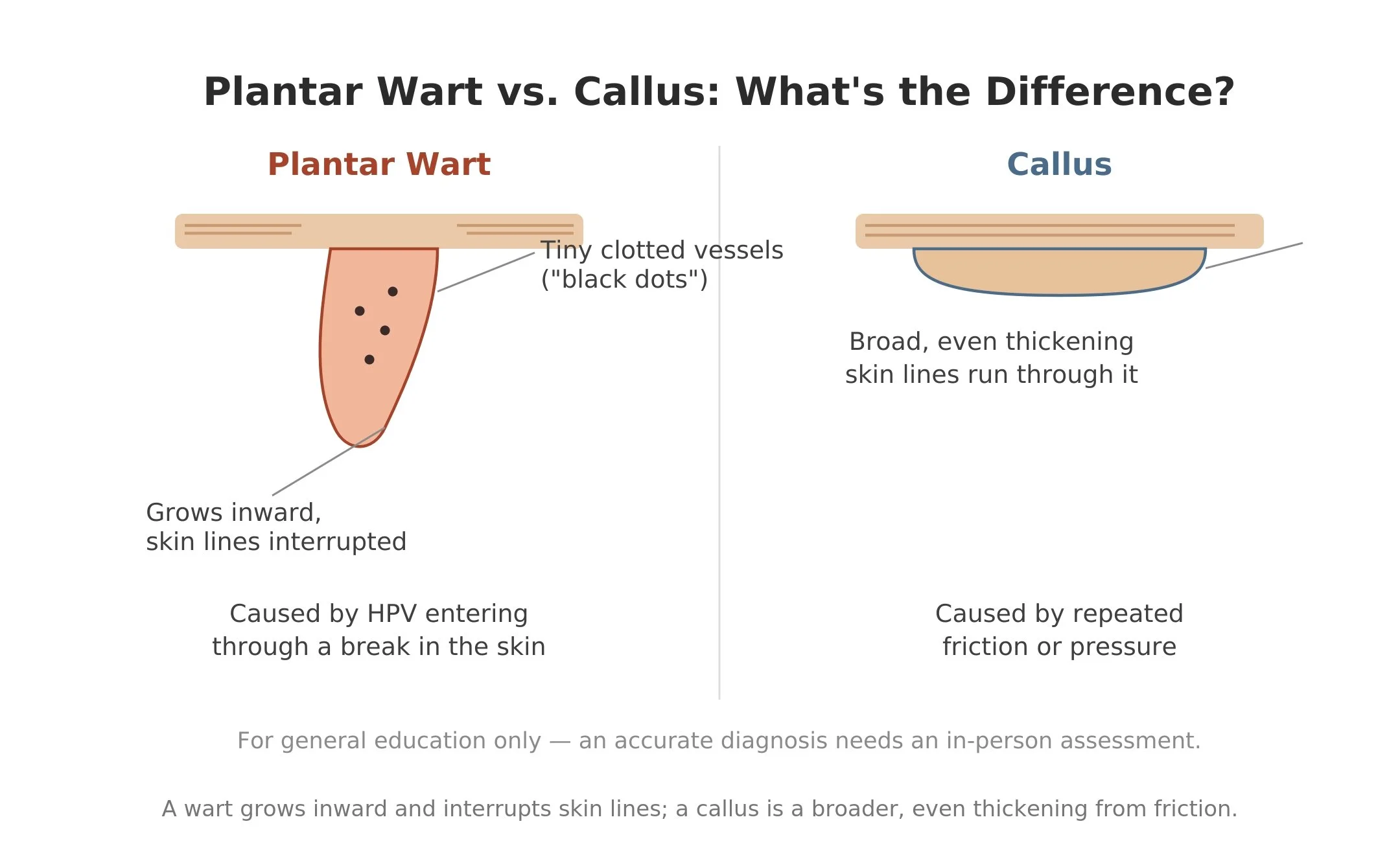
A plantar wart (verruca) is a small growth caused by certain strains of HPV entering through a break in the skin. Because it grows inward under body weight, it can look and feel a lot like a corn or callus which is exactly why so many people spend weeks treating the wrong thing without realising it.
Tiny black dots in the centre (small clotted blood vessels, not "roots")
Interrupted skin lines — normal ridges stop and go around it rather than through it
Tenderness when pinched from the sides, rather than pressed straight down
Three myths worth retiring
"You need direct contact to catch one." Not quite HPV can survive on damp surfaces, which is why pool decks and shared showers are common transmission spots.
"It'll always go away if I just wait." Sometimes, especially in kids. In adults, plantar warts can persist and grow if left untreated, so it's worth making that call with your podiatrist rather than by default.
"Duct tape cuts off its air supply." Warts get their blood supply from underneath the skin, so taping over one doesn't touch the underlying virus.
When it's time to see a podiatrist
There's no shame in trying an over-the-counter treatment first salicylic acid can help small, early warts, though it takes weeks of consistent use to work. But if you've been at it a while and nothing's changed, it's a good sign to bring in some help. Book an assessment if:
It hasn't responded after several weeks of home treatment
It's painful enough to change how you walk
You have diabetes, poor circulation, or a compromised immune system
You're not sure it's a wart, or it's spreading
Treatment options
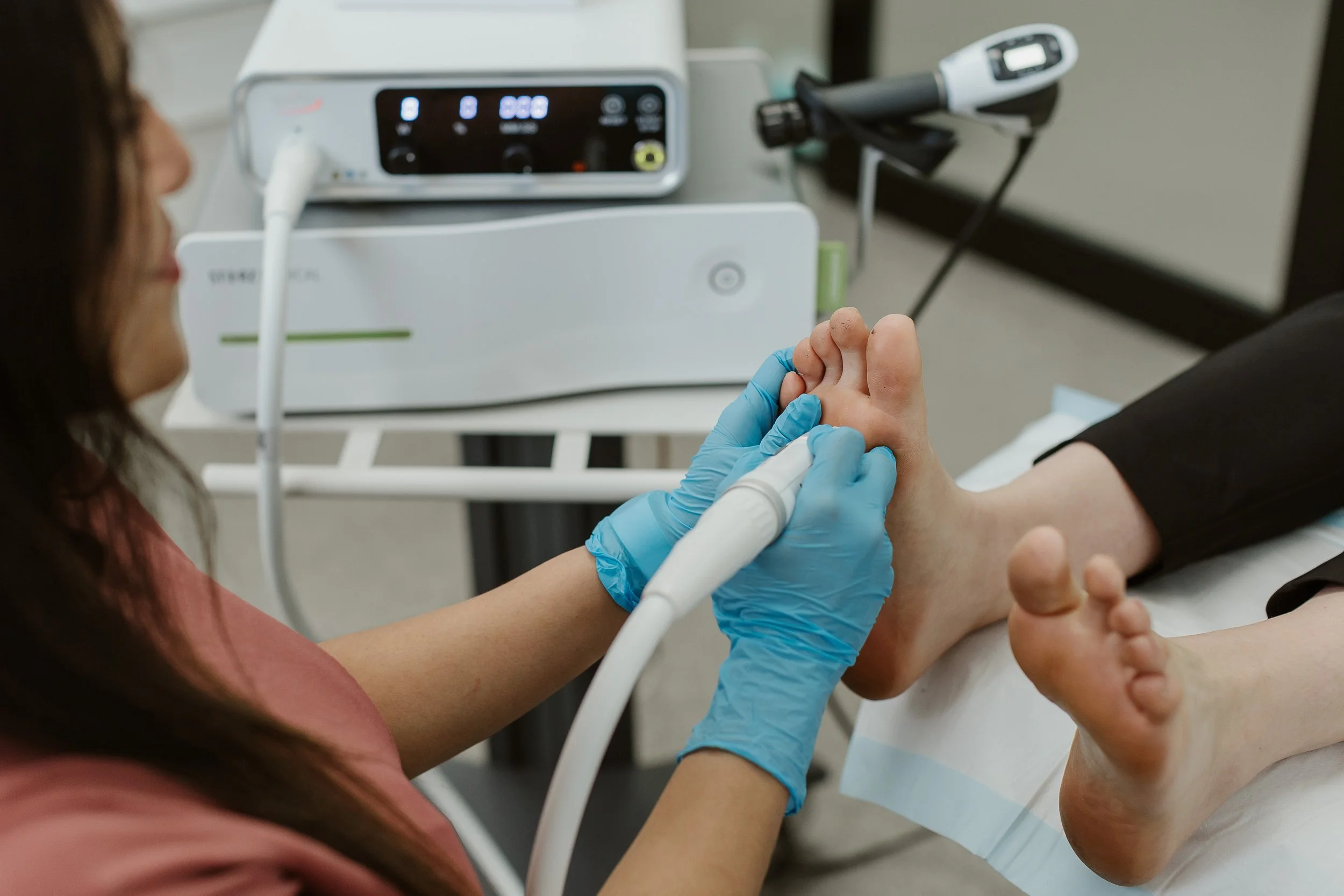
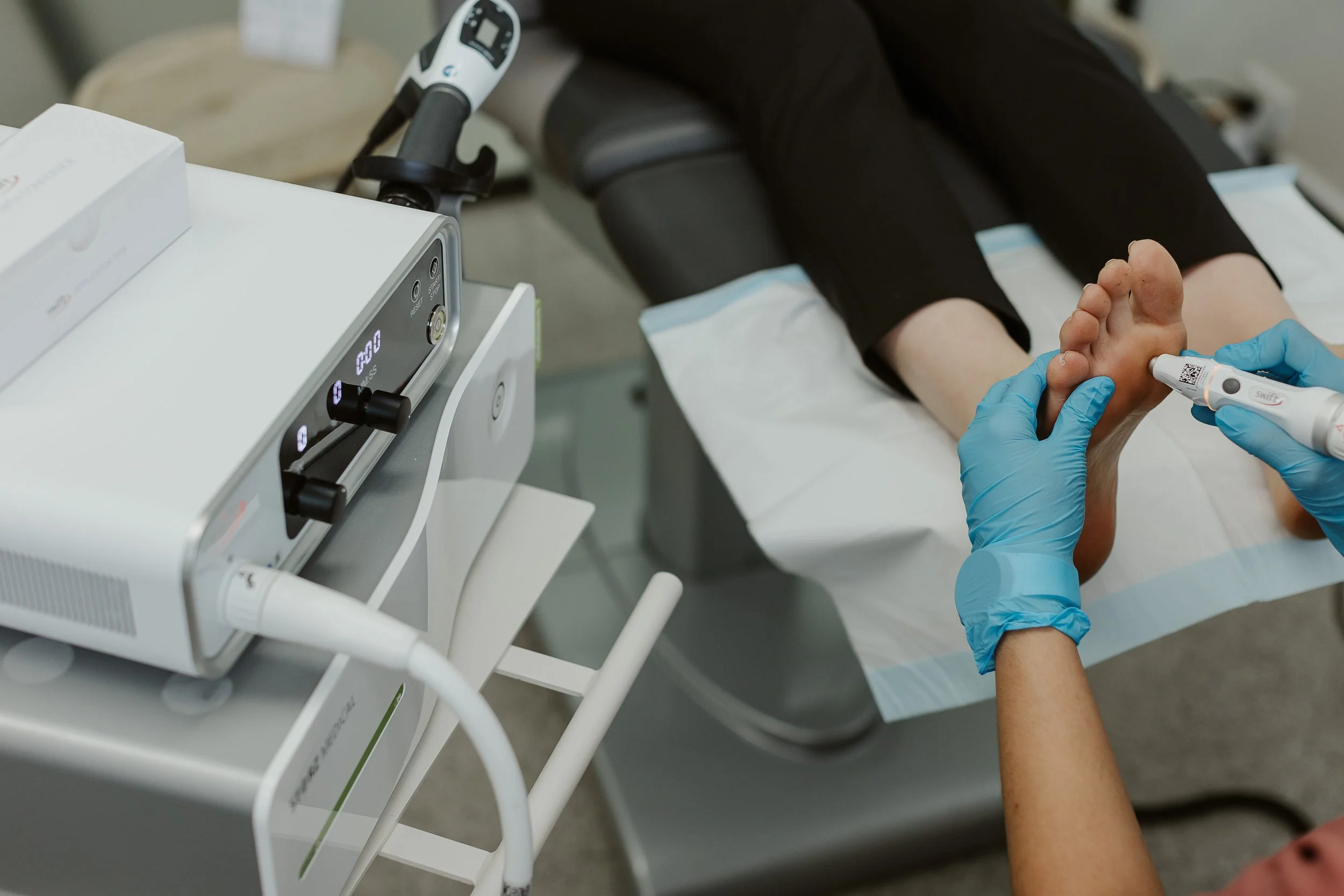
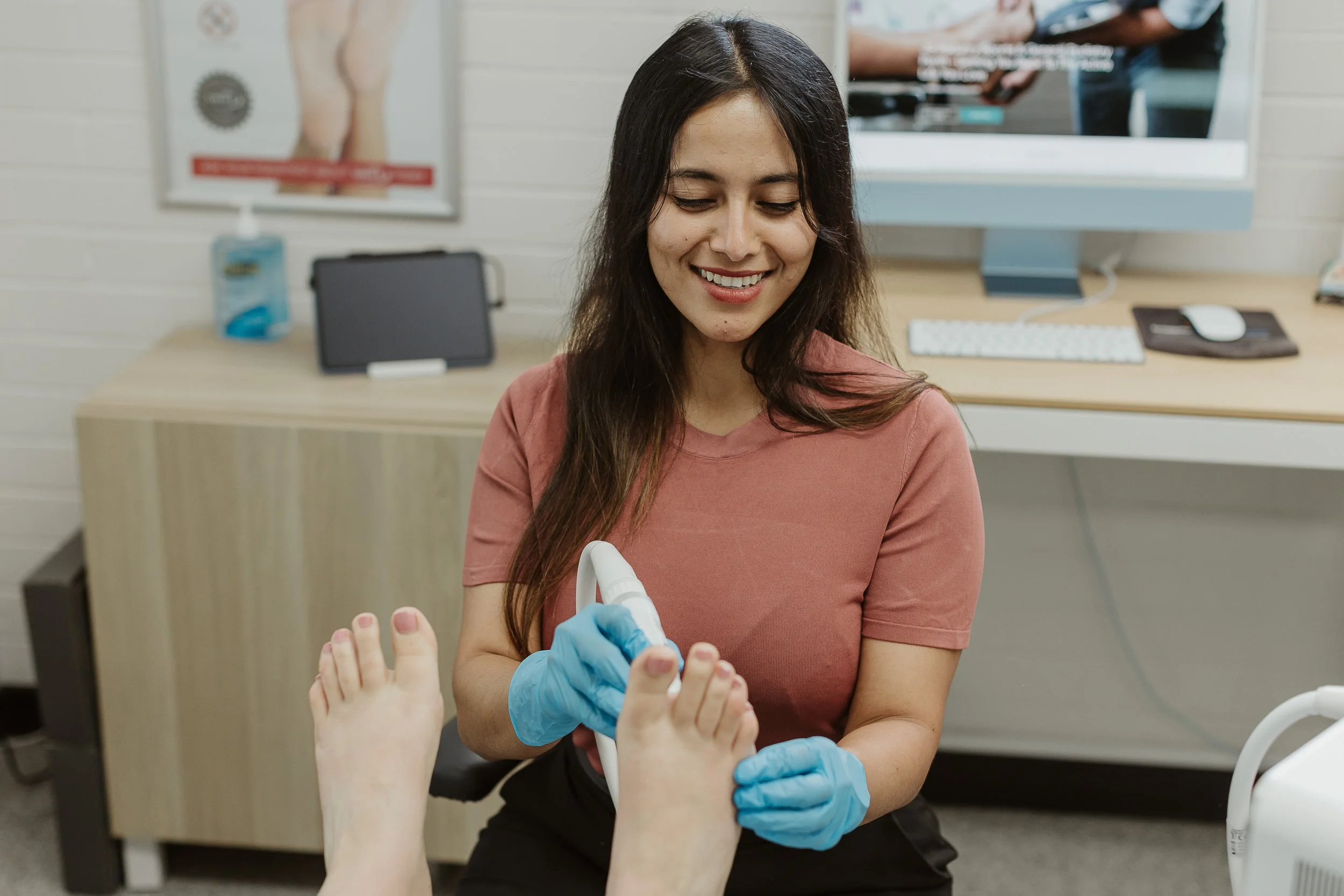
The right approach depends on the wart's size, location and how long it's been there. Options include cryotherapy (freezing), professionally applied salicylic acid, and SWIFT microwave therapy a non-invasive treatment using controlled microwave energy, designed to stimulate the body's own immune response. It doesn't break the skin, so there's no downtime, though most people need a few sessions spaced weeks apart. Individual results vary, and your podiatrist will walk you through what's realistic for your situation, so you know what to expect before you start.
Quick FAQ
A few of the questions we get asked most often in clinic:
Is it contagious to others in my house? It can be via shared damp surfaces wearing sandals in shared bathrooms and not sharing towels helps reduce the risk.
Can I get one again after treatment? Yes, having had one before doesn't make you immune.
Is SWIFT painful? Most people feel a brief heat or sting that settles quickly. Your podiatrist can talk you through what to expect.
Don't Let It Slow You Down
Plantar warts are common and very treatable, but also easy to misdiagnose and mistreat at home. If you're dealing with a painful or stubborn spot on your foot, JS Podiatry can help our team will properly assess it and talk you through the right option for you, whether that's SWIFT Microwave Therapy or another approach. You don't have to keep working around the pain book a consultation with our podiatry team today and get it looked at properly.