
New Year, New Foot Pain? Understanding Overuse Injuries
The start of a new year often comes with a burst of motivation. After the Christmas break, many of us feel refreshed and ready to commit to healthier habits: walking more, heading back to the gym, starting a running program, or trying out new fitness classes.
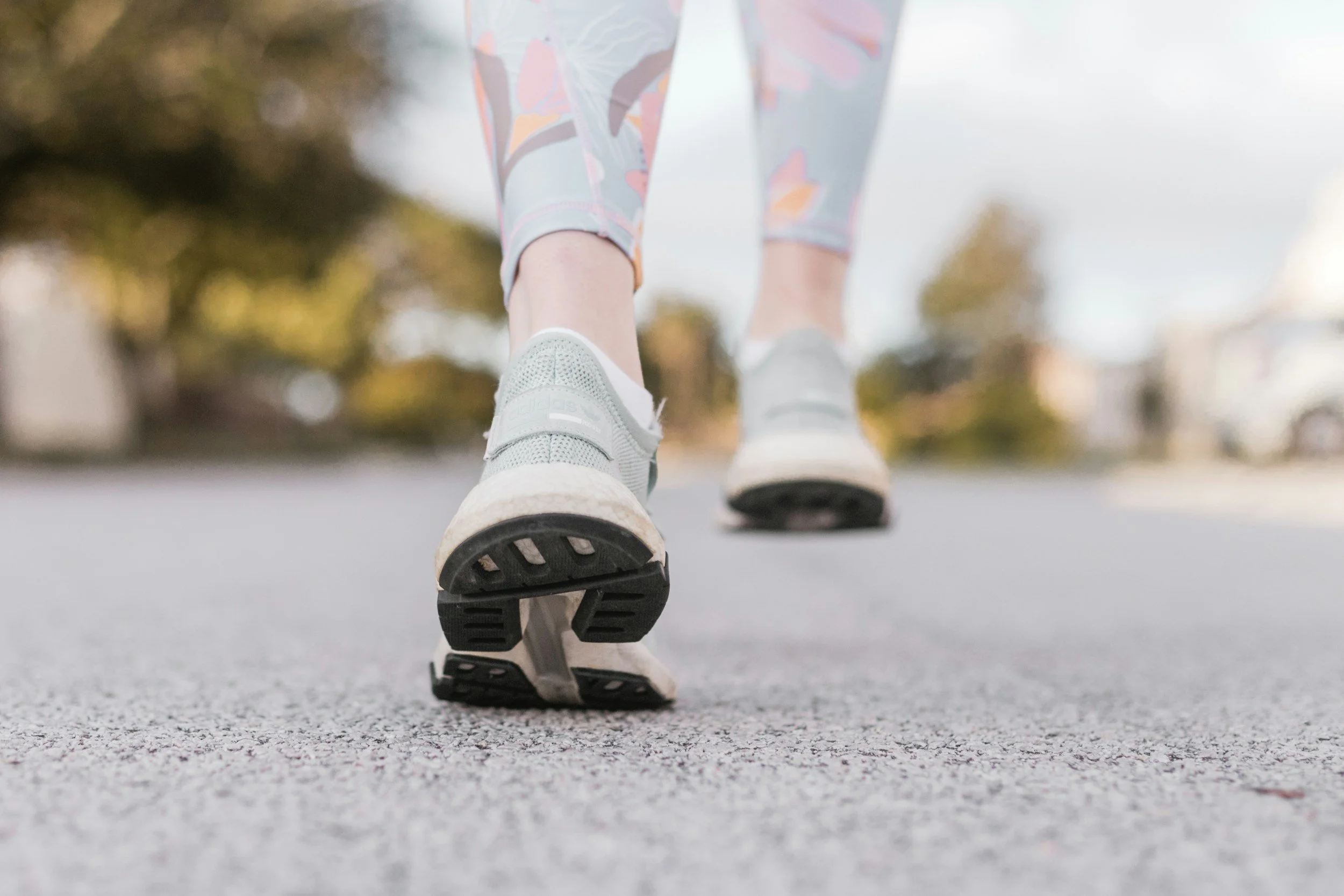
At first, it feels great. You’re getting fitter, feeling stronger… but also feeling stronger is the niggling pain creeping into the front of your shins. Your calves feel tight and achy after exercise. You hobble a bit when you first get out of bed because the bottom of your heel is sore.
If this sounds familiar, you’re definitely not alone. January is one of the busiest times of year for podiatrists, and the reason is simple: a sudden increase in activity can overload the feet and lower limbs, leading to what we call overuse injuries.
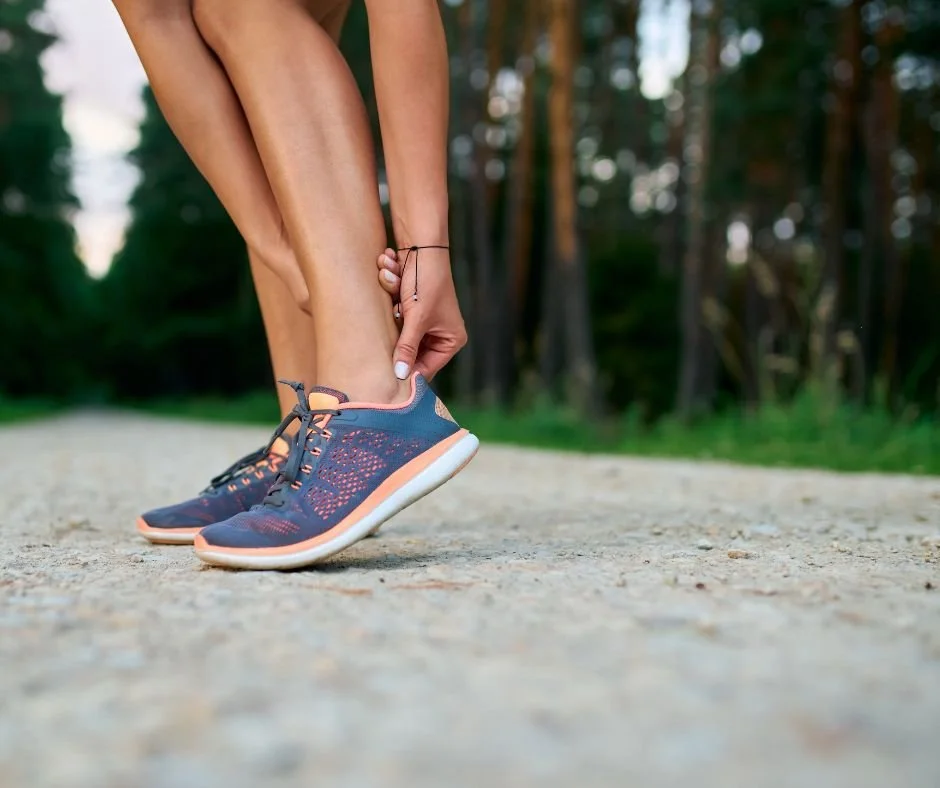
What is an overuse injury?
Overuse injuries happen when your body is asked to do more than it’s ready for. Bones, muscles, tendons and ligaments are all very good at adapting to load, but they need time to do it. When activity increases too quickly, these tissues don’t get the chance to adapt and recover properly, which can lead to pain and injury.
Common lower limb overuse injuries we see at the start of the year include:
Shin splints (medial tibial stress syndrome) – aching or tenderness along the inner shin, often worse with running or jumping
Plantar fasciopathy – pain in the heel or arch, especially with those first few steps in the morning
Achilles tendinopathy – stiffness or pain in the back of the heel, particularly after rest
Stress fractures – tiny cracks in the bone caused by repetitive loading, usually felt as very localised pain that worsens with activity
These problems don’t usually appear overnight. They tend to creep in gradually as training volume, intensity or frequency increases beyond what your body can comfortably handle.
How can I prevent overuse injuries?
The good news is that most overuse injuries are preventable with a few sensible strategies.
Build up gradually: One of the most effective ways to reduce injury risk is to increase activity slowly. If you’re starting or returning to running or longer walks, aim to increase distance or time by no more than 10% per week. This gives your tissues time to adapt to the new demands.
Don’t skip your warm-up and cool-down: When life is busy, it’s tempting to rush straight into a workout and head home as soon as you’re done. But warming up helps prepare your muscles and tendons for load, while cooling down helps your body transition back to rest. Both play an important role in reducing injury risk.
Check your footwear: Shoes matter more than many people realise. Old runners lose their cushioning and support, and shoes that aren’t suited to your activity can increase stress on your feet and legs. If you’ve recently increased your exercise, it might be time to reassess what you’re wearing on your feet.
Listen to early warning signs: Pain is your body’s way of asking for a change. If you notice persistent soreness, stiffness that isn’t improving, or pain that is gradually getting worse, it’s important to scale back your training. It’s much easier (and faster) to manage a minor issue early than a more severe injury later.
When should I seek help?
If pain is not settling with rest, is affecting your daily activities, or continues despite modifying your training, it’s a good idea to seek professional advice. Early assessment can help identify the exact cause of your symptoms and prevent a minor issue from becoming a long-term problem.
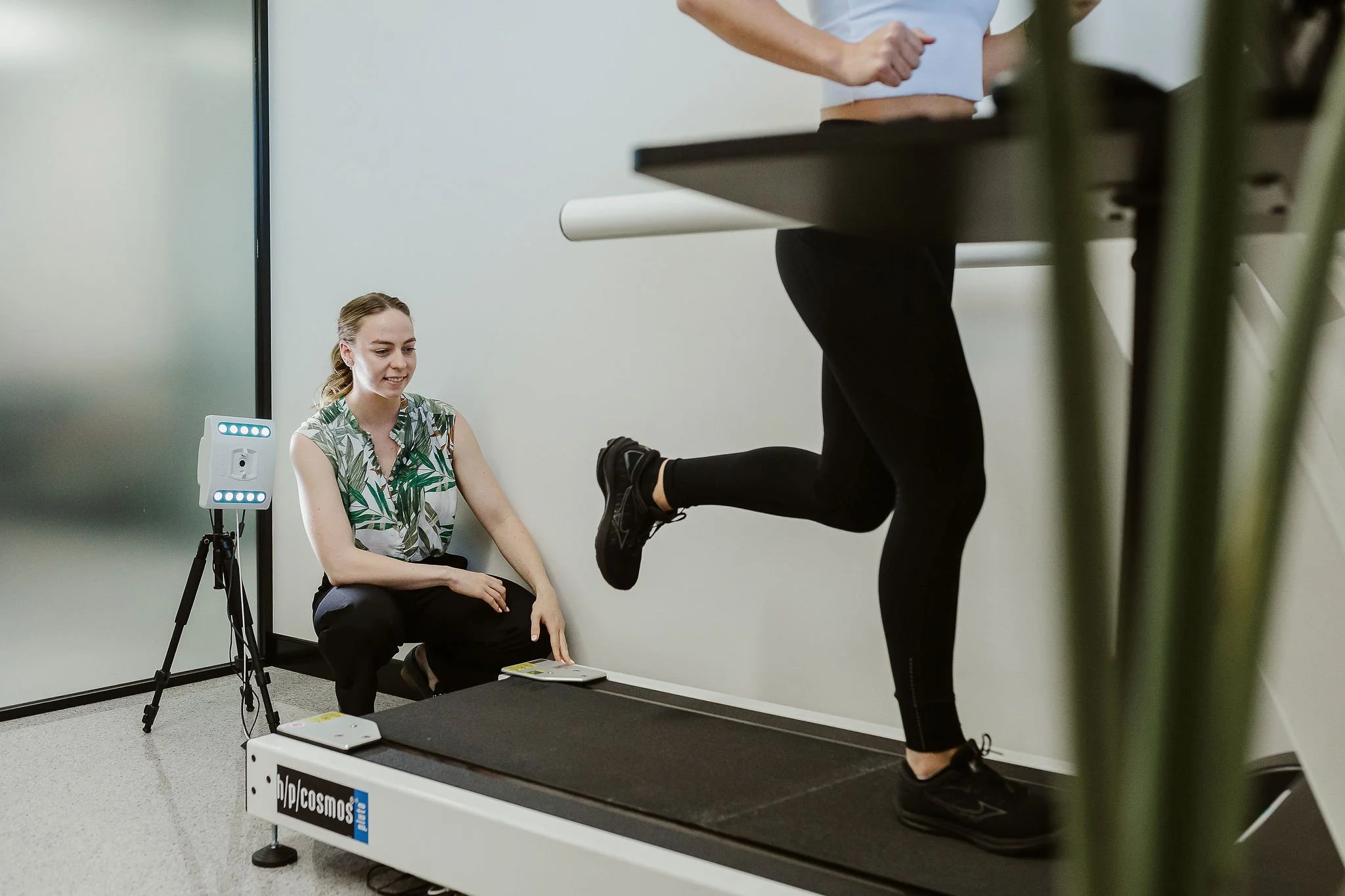
Podiatrists can assist with a range of treatment options depending on your condition. These may include tailored strengthening and stretching programs, footwear advice, biomechanical assessments, and orthotic management, dry needling, exercise prescription or shockwave therapy where appropriate.
The new year is a fantastic time to focus on your health and fitness. With a gradual approach and a little attention to what your body is telling you, you can stay on track with your goals and keep your feet happy along the way.