
Standing in a pharmacy with a pair of insoles in your hand, while your podiatrist has suggested custom orthotics, can be confusing. The more expensive option isn’t automatically right for everyone, and the cheaper option isn’t automatically a poor choice. The best option depends on your needs, symptoms, footwear and circumstances.
What are over-the-counter insoles?
Over-the-counter insoles are ready-made products sold in pharmacies, shoe shops, sports stores, online and some clinics. They vary a lot. Common types include:
• Cushioning insoles, designed to add padding and comfort
• Arch-support insoles, with a contoured shape
• Prefabricated orthotic devices, which are firmer and made in standard sizes
They may be a reasonable starting point if you want extra comfort, have no concerning symptoms and would like a lower-cost option. Their limits are standard shapes and sizes, fewer adjustments, and quality that varies between products.
What are custom orthotics?
Custom orthotics are devices prescribed by a podiatrist and usually made from a cast, impression or scan of your foot. Your podiatrist considers your symptoms, activities, footwear and how your feet and lower limbs function, and the design can differ in shape, materials and features.
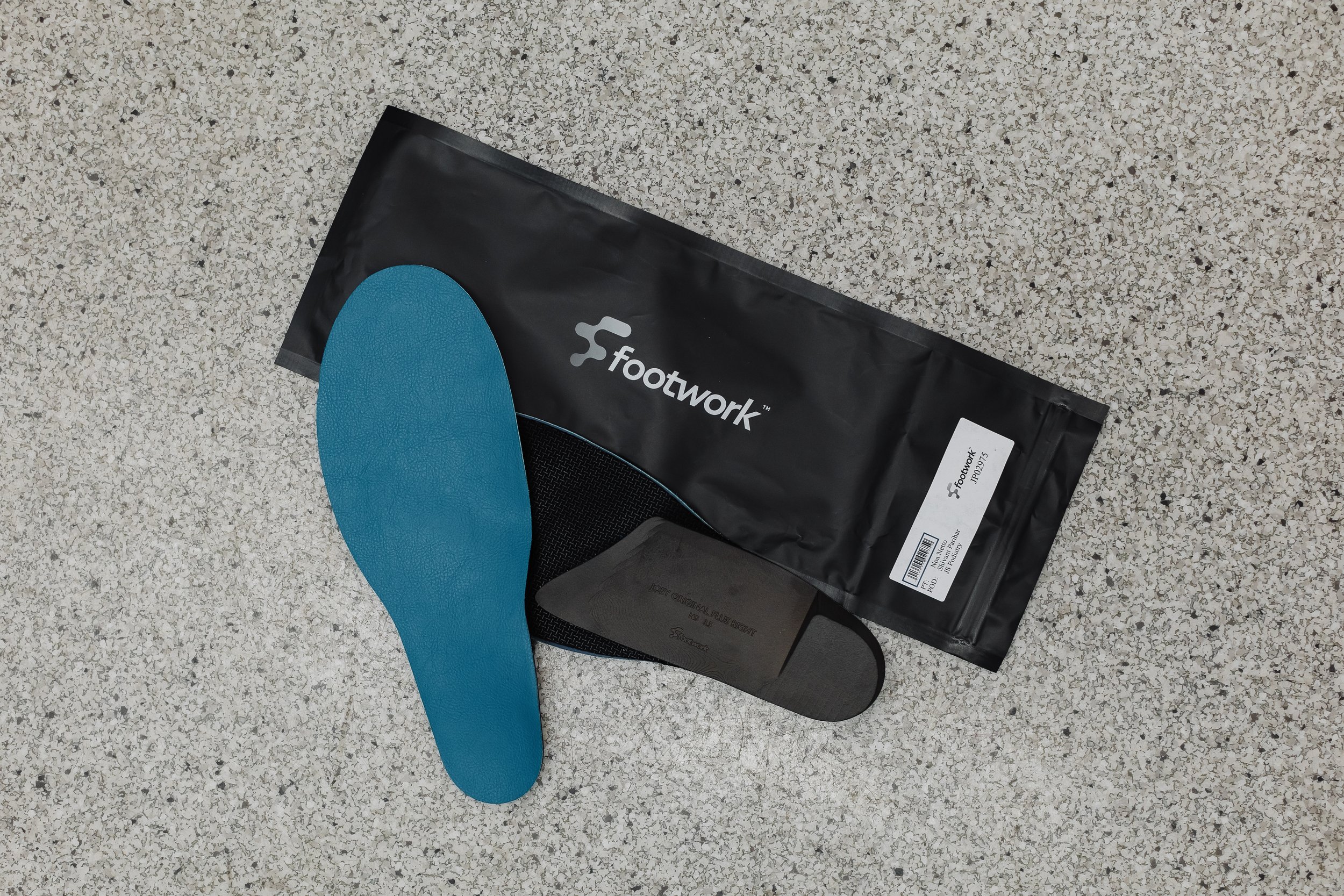
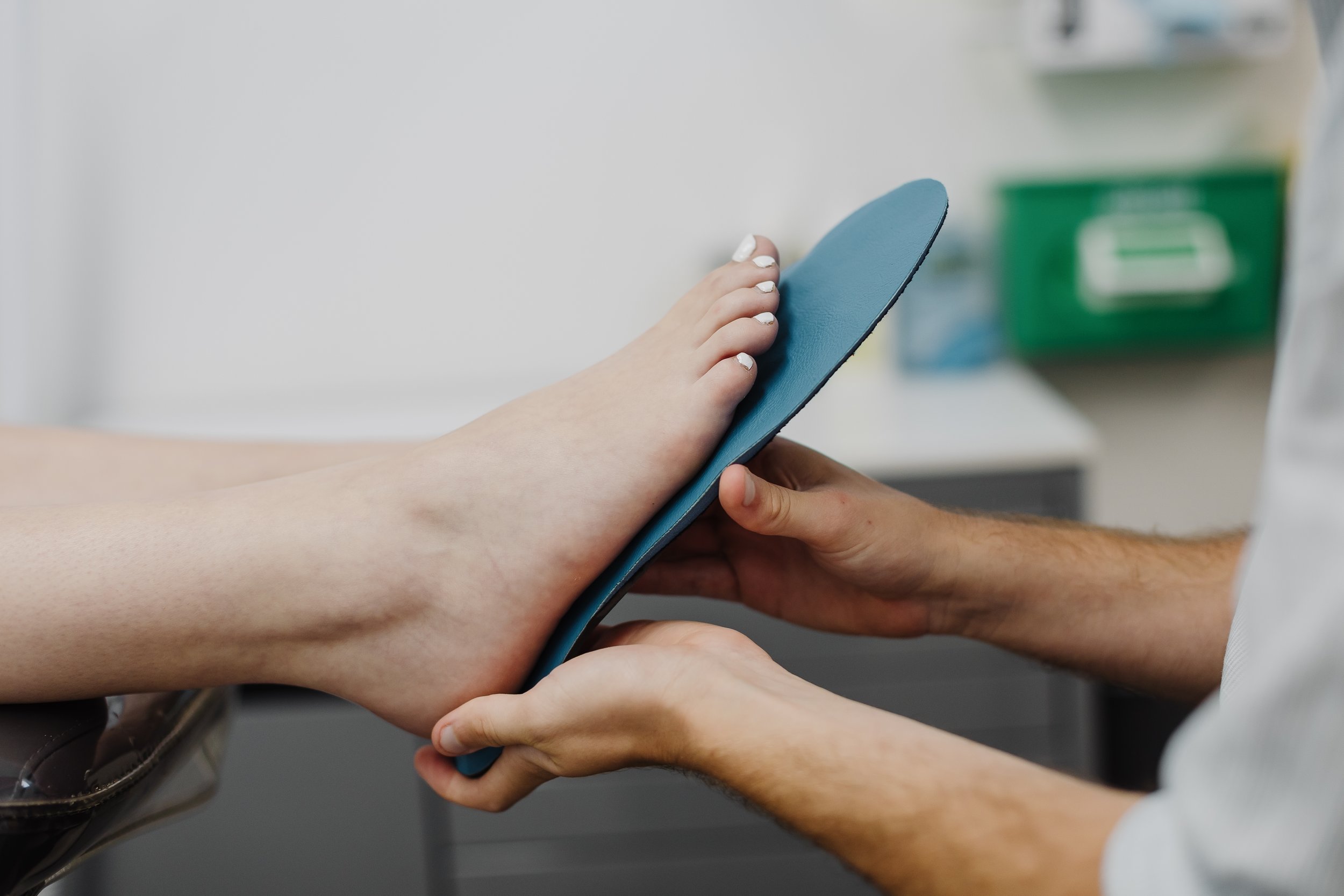
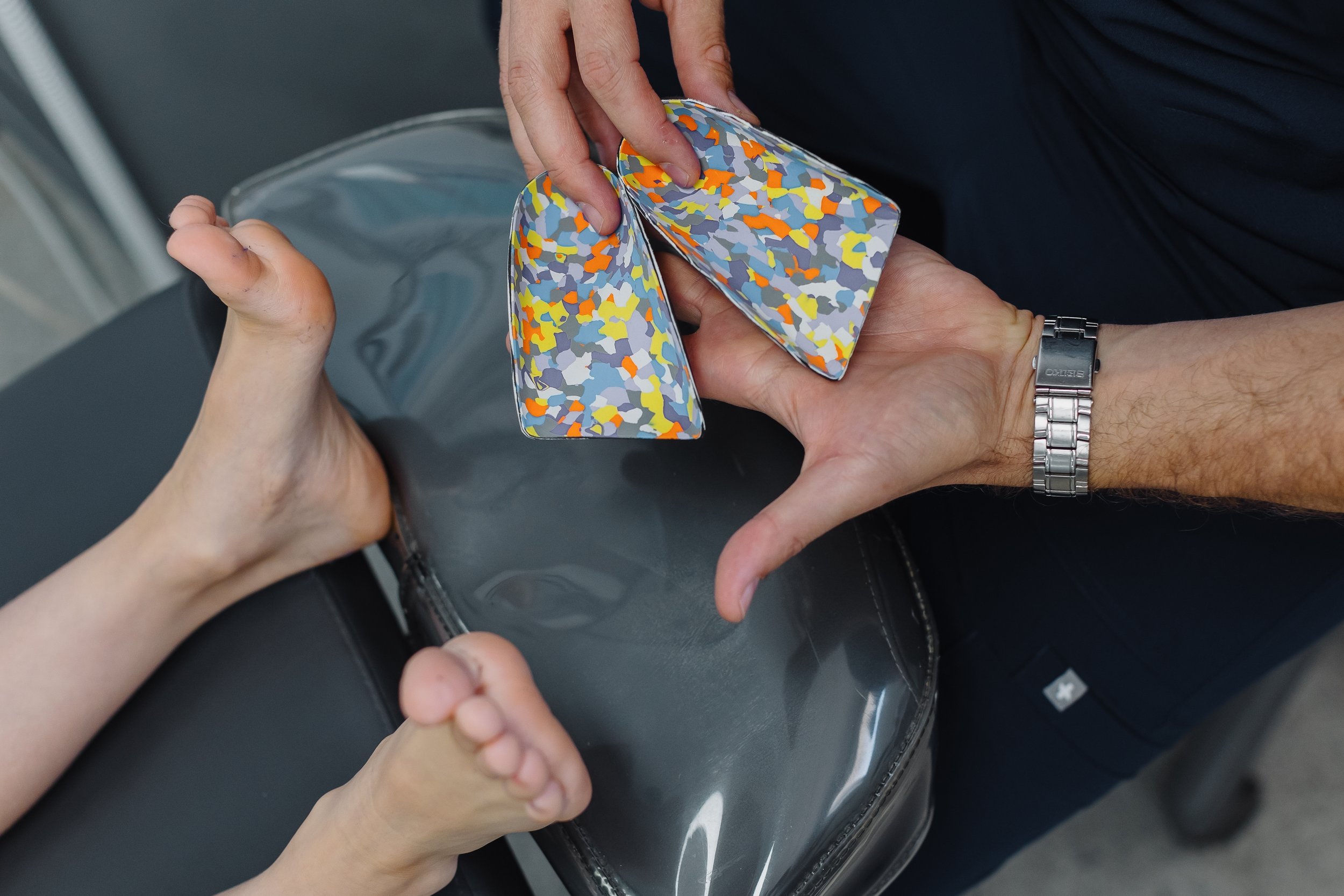

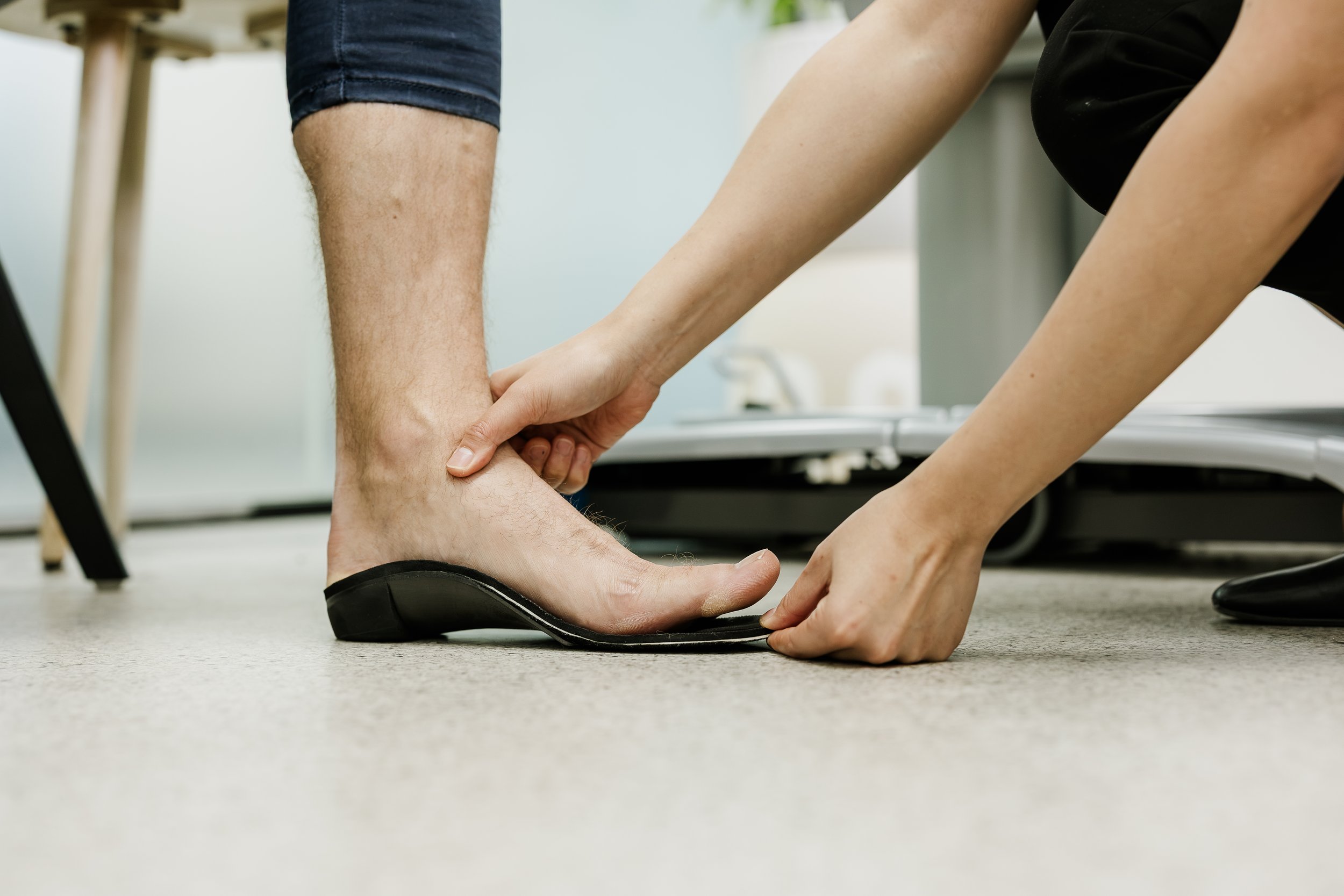
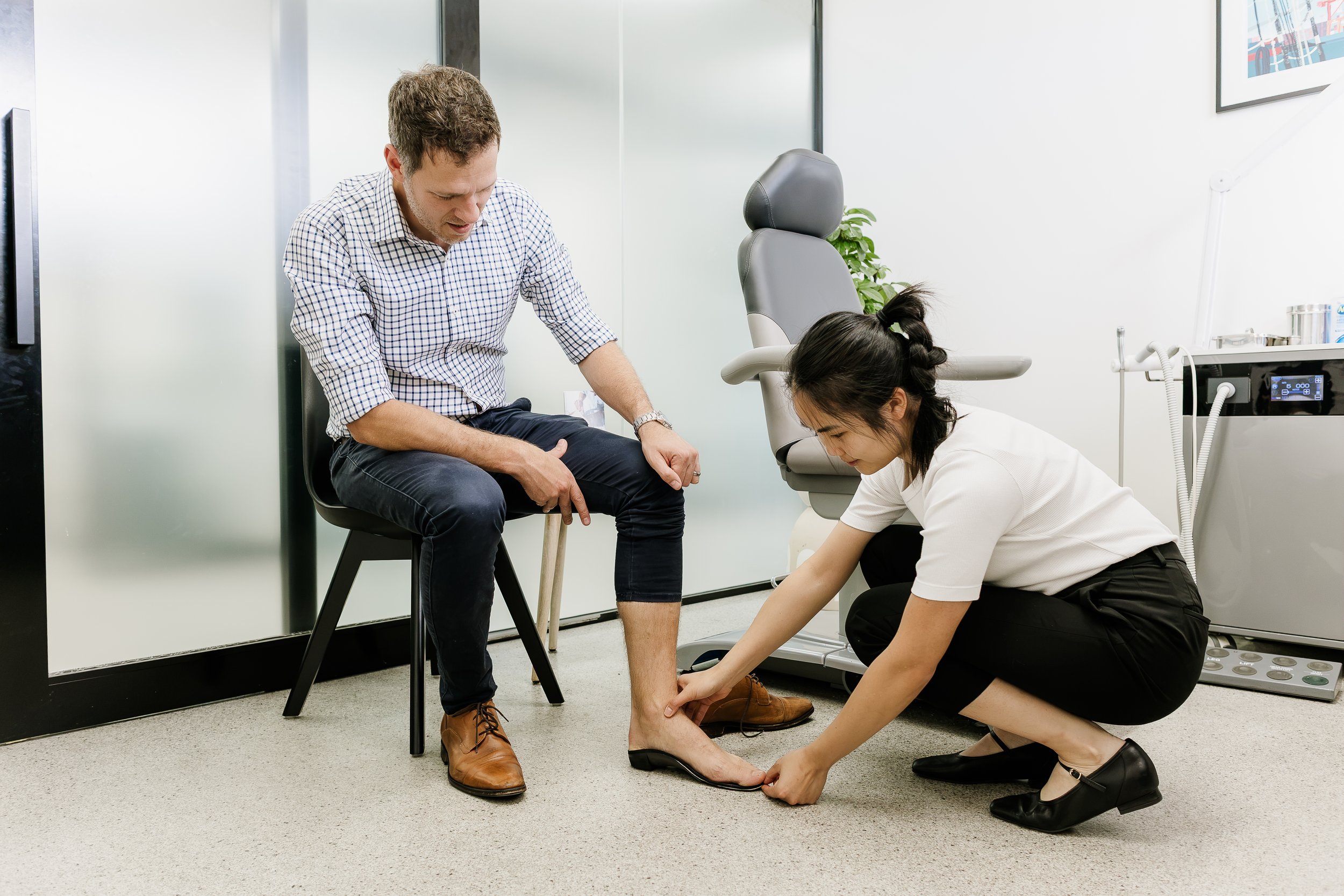
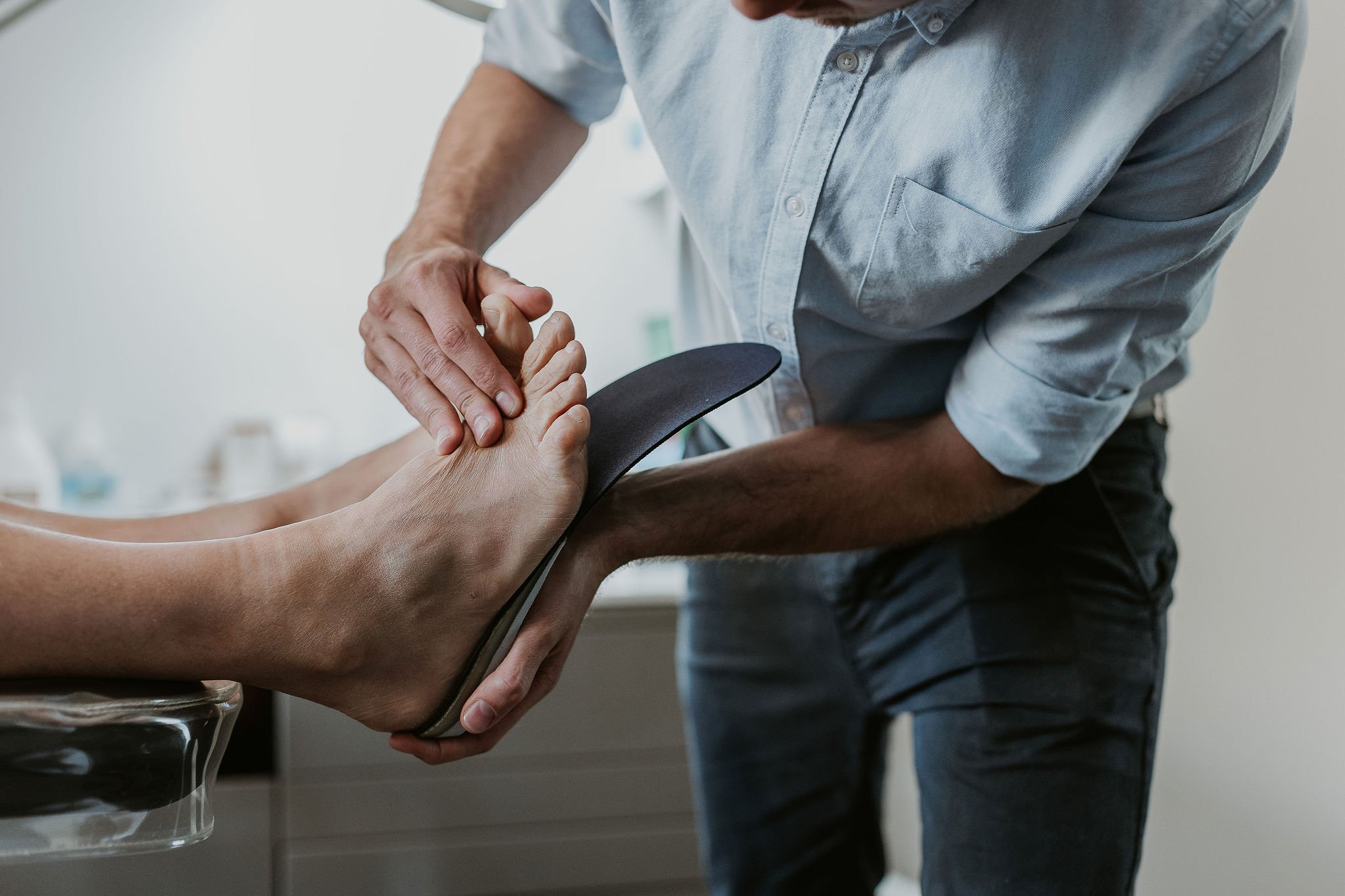
At JS Podiatry we offer custom orthotics, including in-house 3D-printed devices. 3D printing is a way of manufacturing a device, not a guarantee of a better result. What matters most is whether the device is prescribed thoughtfully for you.
Custom orthotics vs over-the-counter insoles: key differences
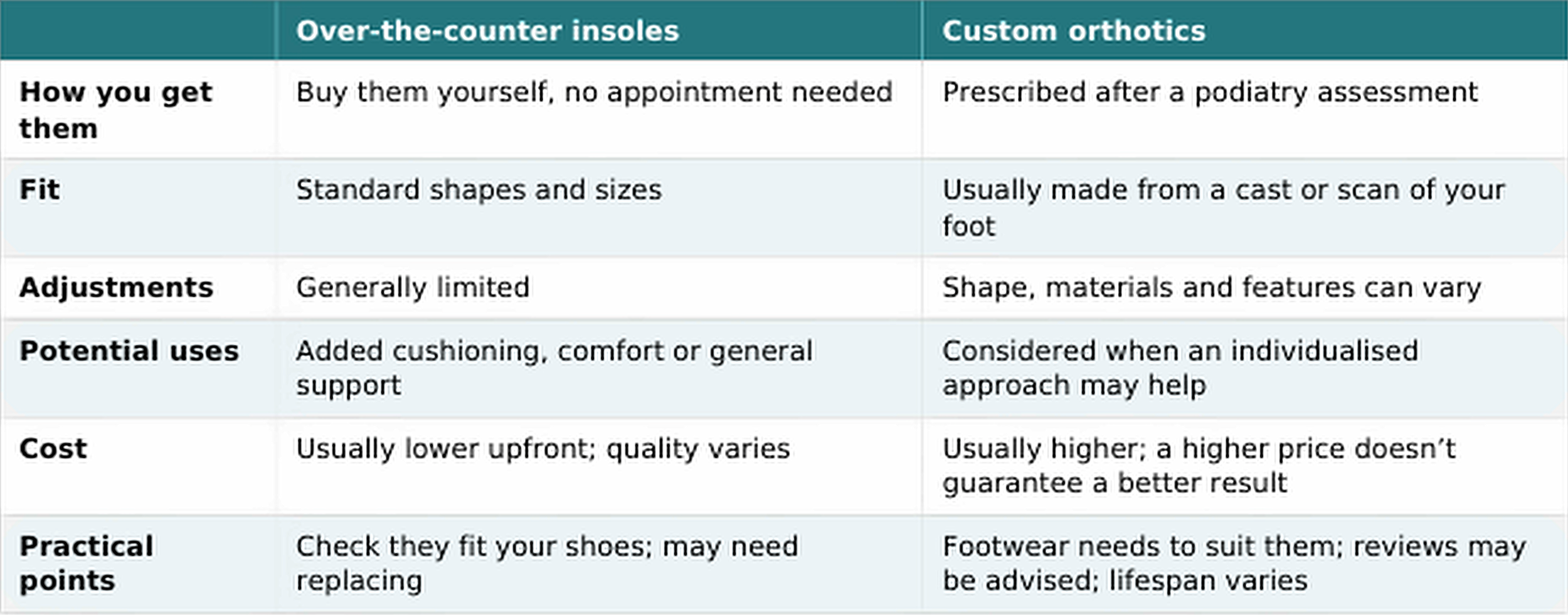
Research doesn’t show that “custom is always better”. For plantar heel pain (pain under the heel), several systematic reviews found no clear difference between custom and prefabricated orthoses for pain or function. The evidence varies by condition, and individual responses differ.
Are custom orthotics worth the money?
It depends. The value of any insole or orthotic depends on whether it suits your needs and whether the likely benefits justify the cost. Orthotics are only one part of a broader plan that may also include footwear, exercises and activity changes.
A standard insole may be a reasonable first step for mild concerns. An assessment, and possibly a custom device, may be worth considering if symptoms persist or keep returning, several products haven’t helped, or your activities or footwear make choosing harder. Having an assessment doesn’t mean you’ll be advised to buy orthotics.
Which option might suit your situation?
These are general examples, not diagnostic rules.
An over-the-counter insole may be worth considering when:
• you’d like some extra cushioning or general support
• your main concern is comfort in your shoes
• you have no concerning symptoms and want a low-cost option that fits your footwear
An assessment with a podiatrist may be worth considering when:
• discomfort persists or keeps returning, or gets in the way of walking, running or work
• you’ve tried several insoles without satisfactory results
• your footwear or activity demands make choosing a product harder
• you’d like to understand possible causes and discuss your options
Do you always need custom orthotics for flat feet or high arches?
No. Flat feet and high arches don’t automatically mean you need orthotics, and many people with these foot shapes have no symptoms. Whether foot shape matters depends on your symptoms, how your feet and legs function, and your activities. It can’t be judged from appearance alone. If symptoms are ongoing or affect your daily life, an assessment is a good next step.
What happens during a podiatry assessment?
Your podiatrist may talk with you about your symptoms and goals, your usual activities and footwear, your medical and injury history, and how your feet and lower limbs work. The options discussed may or may not include orthotics. Sometimes footwear advice, exercises or an over-the-counter insole is the more suitable choice.
Frequently asked questions
Are custom orthotics better than store-bought insoles?
Not necessarily. For some conditions, such as plantar heel pain, studies found no clear difference. The right choice depends on your symptoms, activities, footwear and preferences.
Can over-the-counter insoles help with foot pain?
They may help some people, especially for cushioning and comfort, but products and responses vary. If pain is persistent or getting worse, it’s worth having it assessed.
How do I know if I need custom orthotics?
You can’t tell from foot shape or symptoms alone. A podiatrist can assess you and discuss whether orthotics, or something else, may be worth considering.
Do people with flat feet always need orthotics?
No. Flat feet are common and often painless. It depends on symptoms, function and activity, not shape alone.
How long do custom orthotics last?
There’s no single answer. It depends on the materials, how you use them and the person. Your podiatrist may suggest periodic reviews.
Can I use orthotics in any shoe?
Not always. They need to fit comfortably, and some footwear may not suit them. Tell your podiatrist which shoes you wear most.
So, which one is right for you?
Custom orthotics and over-the-counter insoles serve different purposes, and neither is automatically right for everyone. If you have ongoing foot, heel, ankle or lower-limb concerns, you’re welcome to book an assessment with our team at JS Podiatry in East Perth. It’s a conversation about your symptoms and your options, with no expectation that you’ll buy orthotics.
Book Your Orthotics Appointment Today
Take the first step toward pain-free movement.
Book a Biomechanical Assessment or call our friendly team — we’ll help you choose the best orthotic solution for your needs.